


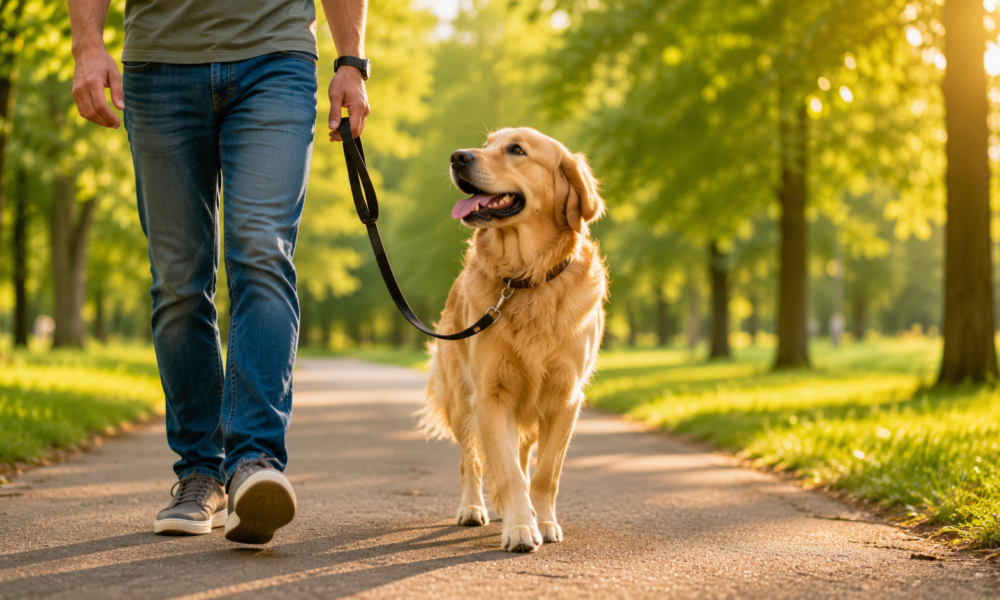
Training a Golden Retriever is one of the most rewarding experiences for any dog owner. Golden Retrievers are highly intelligent, eager to please, and naturally friendly, making them one of the easiest dog breeds to train. However, successful training requires patience, consistency, and positive reinforcement.
Whether you’ve just welcomed a playful puppy or adopted an older Golden Retriever, this guide will help you build good habits, teach essential commands, and strengthen the bond between you and your dog.
Why Golden Retrievers Are Easy to Train
Golden Retrievers consistently rank among the most trainable dog breeds because they possess several qualities that make learning enjoyable.
They are:
- Highly intelligent
- Eager to please
- Food motivated
- Friendly with people
- Quick learners
- Loyal companions
With regular practice, most Golden Retrievers can master basic obedience commands within a few weeks.
When Should You Start Training?
Training should begin the day your puppy comes home.
Young puppies are constantly learning from their environment, so it’s important to teach good habits from the start.
Focus on:
- Learning their name
- House training
- Crate training
- Gentle handling
- Basic commands
- Socialization
Even training sessions lasting just five to ten minutes can be very effective.
Positive Reinforcement
Golden Retrievers respond best to positive reinforcement.
Reward your dog immediately after good behavior using:
- Small treats
- Praise
- Toys
- Playtime
- Affection
Avoid shouting or physical punishment. Harsh corrections can damage your dog’s confidence and slow learning.
Essential Commands Every Golden Retriever Should Learn
Sit
The “Sit” command is usually the first command puppies learn.
Hold a treat above your dog’s nose and slowly move it backward. As the puppy naturally sits, say “Sit” and reward immediately.
Stay
Ask your dog to sit.
Hold your hand up and say “Stay.”
Take one step back.
If your dog remains in place, reward generously.
Gradually increase the distance and duration.
Come
A reliable recall command can keep your dog safe.
Use an excited voice.
Say:
“Come!”
Reward immediately every time your Golden Retriever comes to you.
Never punish your dog after calling them.
Down
Hold a treat near the floor.
Guide your puppy into a lying position.
Say “Down” and reward immediately.
Leave It
Teach your puppy to ignore dangerous or unwanted objects.
Place a treat in your closed hand.
Wait until your puppy stops trying to get it.
Reward with a different treat.
This command is extremely useful during walks.
House Training
Consistency is the secret.
Take your puppy outside:
- First thing in the morning
- After meals
- After naps
- After playtime
- Before bedtime
Reward successful potty trips immediately.
Accidents are part of learning.
Never punish your puppy for accidents indoors.
Crate Training
A crate provides security and helps with house training.
Tips:
- Make it comfortable.
- Never force your puppy inside.
- Feed meals near the crate.
- Offer treats inside.
- Increase crate time gradually.
Most Golden Retrievers quickly learn to enjoy their crate.
Leash Training
Walking politely on a leash takes practice.
Start indoors or in a quiet area.
Reward your dog whenever they walk beside you without pulling.
If your dog pulls ahead:
- Stop walking.
- Wait calmly.
- Continue once the leash becomes loose.
Consistency teaches your dog that pulling doesn’t move the walk forward.
Socialization
Introduce your puppy to different experiences during the first months.
Examples include:
- Friendly adults
- Children
- Other vaccinated dogs
- Different environments
- Car rides
- Grooming
- Household noises
Positive experiences build confidence and reduce fear later in life.
Preventing Common Behavior Problems
Golden Retriever puppies naturally explore the world with their mouths.
To reduce unwanted behaviors:
Jumping
Ignore jumping and reward calm greetings.
Chewing
Provide appropriate chew toys.
Rotate toys regularly to keep them interesting.
Barking
Identify why your dog is barking before trying to stop the behavior.
Many Golden Retrievers bark because they are bored or seeking attention.
Digging
Increase daily exercise and provide mental stimulation.
Exercise and Mental Stimulation
Training works best when your Golden Retriever receives enough physical activity.
Daily activities include:
- Walking
- Fetch
- Swimming
- Puzzle toys
- Nose work games
- Obedience practice
Mental exercise can be just as tiring as physical exercise.
Training Mistakes to Avoid
Many owners unintentionally slow progress.
Avoid:
- Inconsistent rules
- Long training sessions
- Punishment-based methods
- Skipping socialization
- Repeating commands over and over
- Expecting instant results
Patience and consistency produce the best outcomes.
Training Schedule by Age
8–12 Weeks
- Name recognition
- Potty training
- Crate training
- Sit
- Come
3–6 Months
- Stay
- Down
- Loose leash walking
- Socialization
- Basic manners
6–12 Months
- Advanced obedience
- Recall training
- Longer stays
- Off-leash practice (only in safe, enclosed areas)
- Agility foundations
Frequently Asked Questions
Are Golden Retrievers easy to train?
Yes. Their intelligence and desire to please make them one of the easiest breeds to train.
How long should training sessions last?
Young puppies learn best in sessions lasting 5–10 minutes. Several short sessions each day are often more effective than one long session.
Should I use treats?
Yes. Small, healthy treats are excellent rewards, especially during the early stages of training.
At what age should I begin training?
Training can begin as soon as your puppy comes home, usually around 8 weeks of age.
Can older Golden Retrievers still learn?
Absolutely. Adult Golden Retrievers can learn new commands and behaviors with patience and consistent practice.
Final Thoughts
Training your Golden Retriever is about more than teaching commands—it’s about building trust, communication, and a lifelong partnership. With positive reinforcement, regular practice, and plenty of patience, your dog can grow into a polite, confident, and happy companion.
Remember that every Golden Retriever learns at their own pace. Celebrate progress, keep sessions fun, and enjoy the journey together.



No Comment! Be the first one.